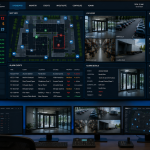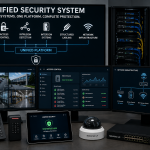

If you’re responsible for security, operations, or loss prevention, you already know the problem: your cameras are recording everything – but catching almost nothing that matters.
It’s not about the number of cameras or their quality. It’s about what they can’t do. Traditional video systems are passive. They record and store, but they don’t analyze, alert, or support decisions in real time.
That’s where AI comes in. But not all AI is created equal.
Some solutions layer AI directly onto your cameras. Others take a system-wide approach, integrating video with business data like POS transactions, access logs, or sensor triggers.
So what’s the smarter investment: an AI security camera or a fully AI-based security system?
This article compares both – what they are, how they work, and which one helps you protect more, respond faster, and actually use your video data to improve operations.Security Options
So, what is an AI security camera?
When most people search for an AI security camera, they’re really seeing two very different options:
Cameras with built-in AI chips
Software platforms like Solink that apply AI to your existing video system
They might sound similar, but they work differently, and only one gives you real flexibility, scalability, and long-term value.
AI cameras with built-in hardware
These are physical cameras with onboard processors that run AI locally. They’re built for specific tasks like motion detection or license plate recognition. But there’s a ceiling to what they can do.
Limitations of hardware-based AI:
High upfront cost for proprietary devices
Each camera has limited processing power
Harder to connect with other business tools
Can’t evolve – what you buy is what you’re stuck with
AI on the software layer
Platforms like Solink work differently. Instead of requiring new hardware, Solink adds AI through software – analyzing video from your existing cameras in the cloud. That means you get smarter insights without ripping and replacing anything.
Why software-based:
Uses your current cameras, no new hardware needed
Grows with your business across multiple sites and systems
Combines video with other tools like POS, inventory, and access logs
Gives you one dashboard for alerts, searches, and insights
Why it matters
Most businesses start by looking for “AI security cameras.” But what they really need is AI video intelligence.
Cameras are just the lens. The real intelligence comes from the software.
With an AI-based security system, your current video network becomes a proactive tool for catching theft, speeding up investigations, and improving how your business runs – without the cost and limits of hardware-first solutions.
Why AI is reshaping the future of business video security
As businesses become increasingly data-driven and reliant on technology, the need for real-time intelligence and automation has become urgent. AI security answers that call both from a physical security perspective and risk mitigation/operational efficiency perspective.
According to MarketsandMarkets, the AI video analytics market is projected to grow from 8.3 billion USD in 2023 to $22.6 billion by 2028. The reason? Businesses want insight, not just footage.
Traditional video security systems may generate enormous amounts of data, but without AI, that data is underused. Your team simply doesn’t have time to sift through footage, much less correlate it with transactions, schedules, or anomalies. AI – as well as the integration of video security with other technologies like your POS – changes that.
Businesses that continue relying solely on legacy video systems risk being left behind. As AI becomes a competitive standard, not just a nice-to-have, teams that embrace it now are positioning themselves for greater agility, efficiency, and impact.
Importantly, AI doesn’t replace your people – it empowers them.
Security, LP, and operations professionals can focus on high-value work instead of sifting through hours of footage or chasing reactive reports. By leveraging AI, your team becomes more proactive, more informed, and better equipped to protect assets, improve workflows, and lead with confidence in a data-first world.
Let’s dive into the key capabilities of AI-powered security software in more detail
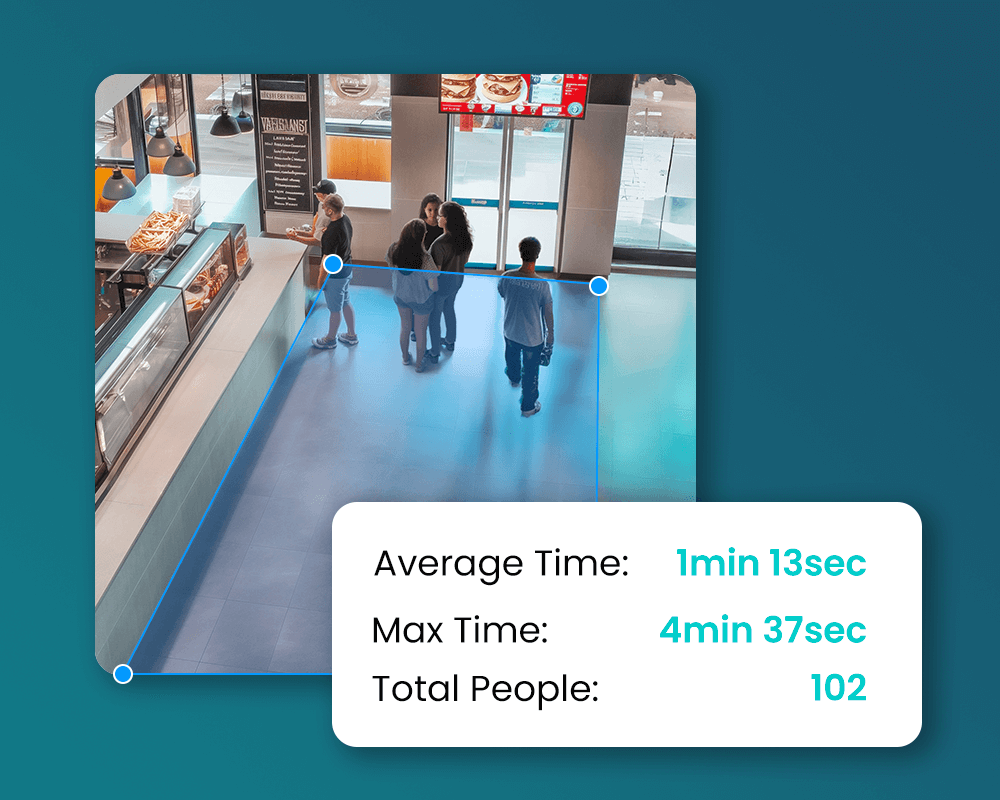
Real-time video intelligence
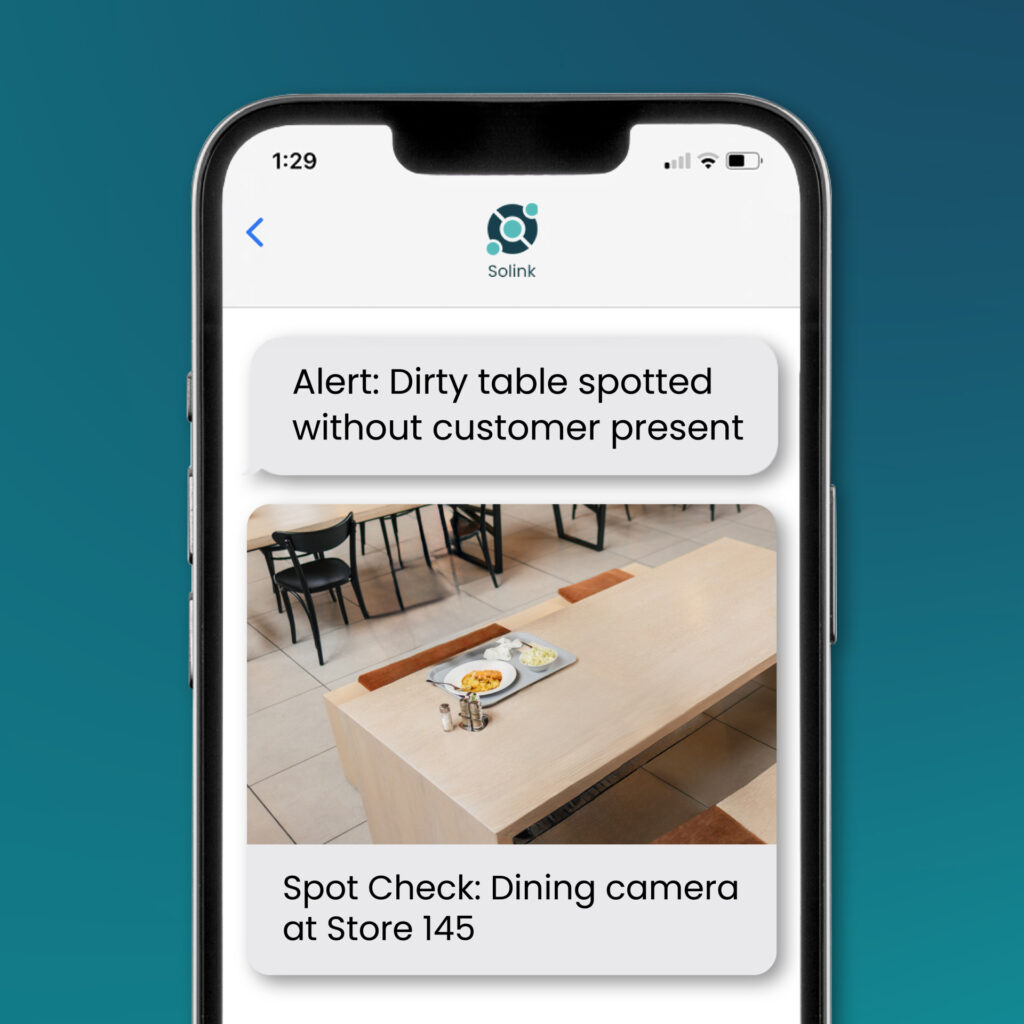
Conduct live or scheduled spot checks
Point-of-sales anomaly detection
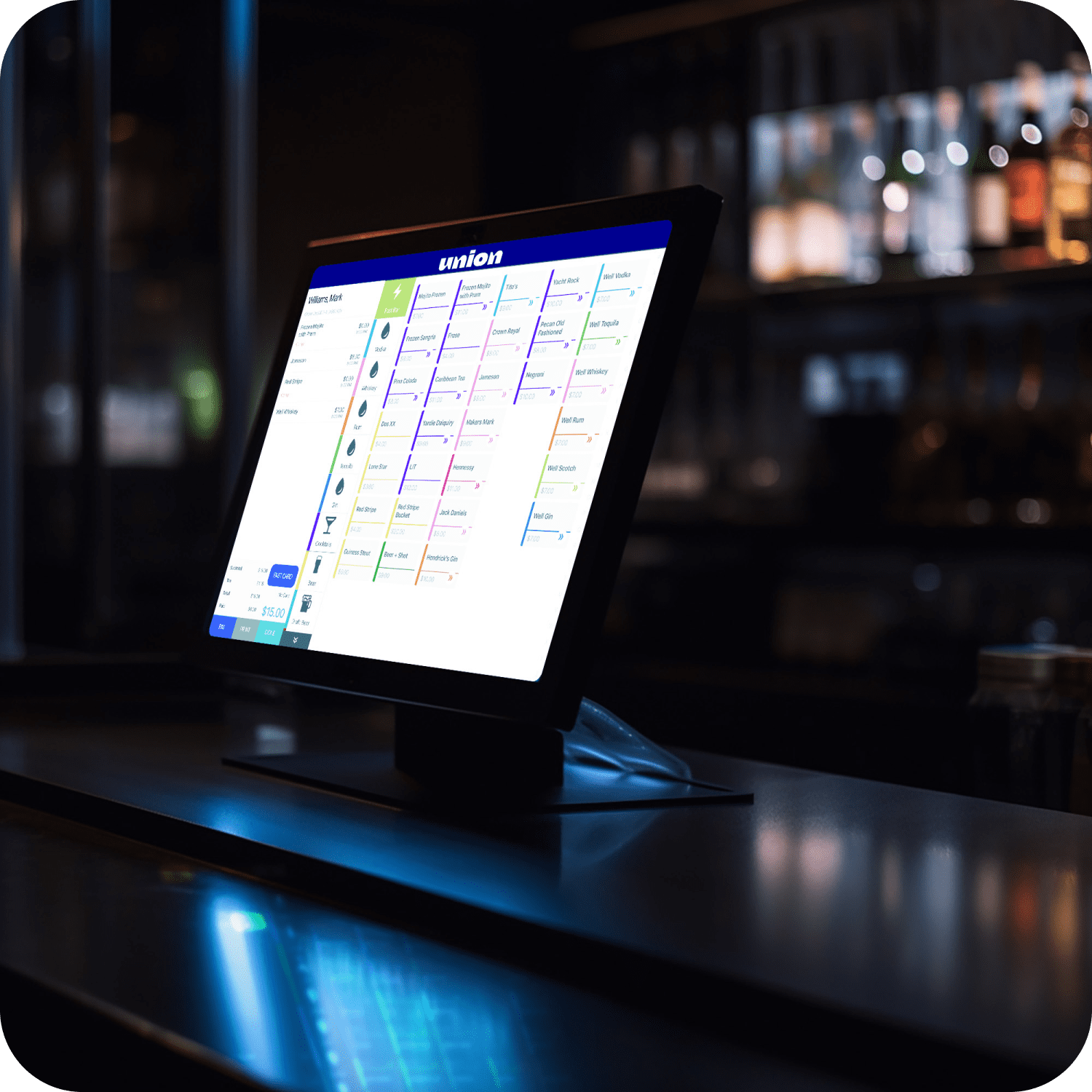
AI shines when it can surface what your team would otherwise miss, especially when it comes to transactional anomalies. Solink, for example, doesn’t just link video to your POS system; it uses AI to help identify patterns and events that fall outside the norm. Think of it as a watchdog for unusual behavior: high-value refunds, repeated no-sale entries, excessive discounts, or transactions processed outside typical hours.
Instead of digging through hours of footage or scanning endless reports, your team is instantly alerted to threshold-triggered events, paired with the exact video moment they happened. Whether it’s potential theft, employee misuse, or a training issue, Solink brings it to the surface in seconds. It’s about giving your loss prevention and operations teams smart, targeted visibility, so they can act faster, and with full context.
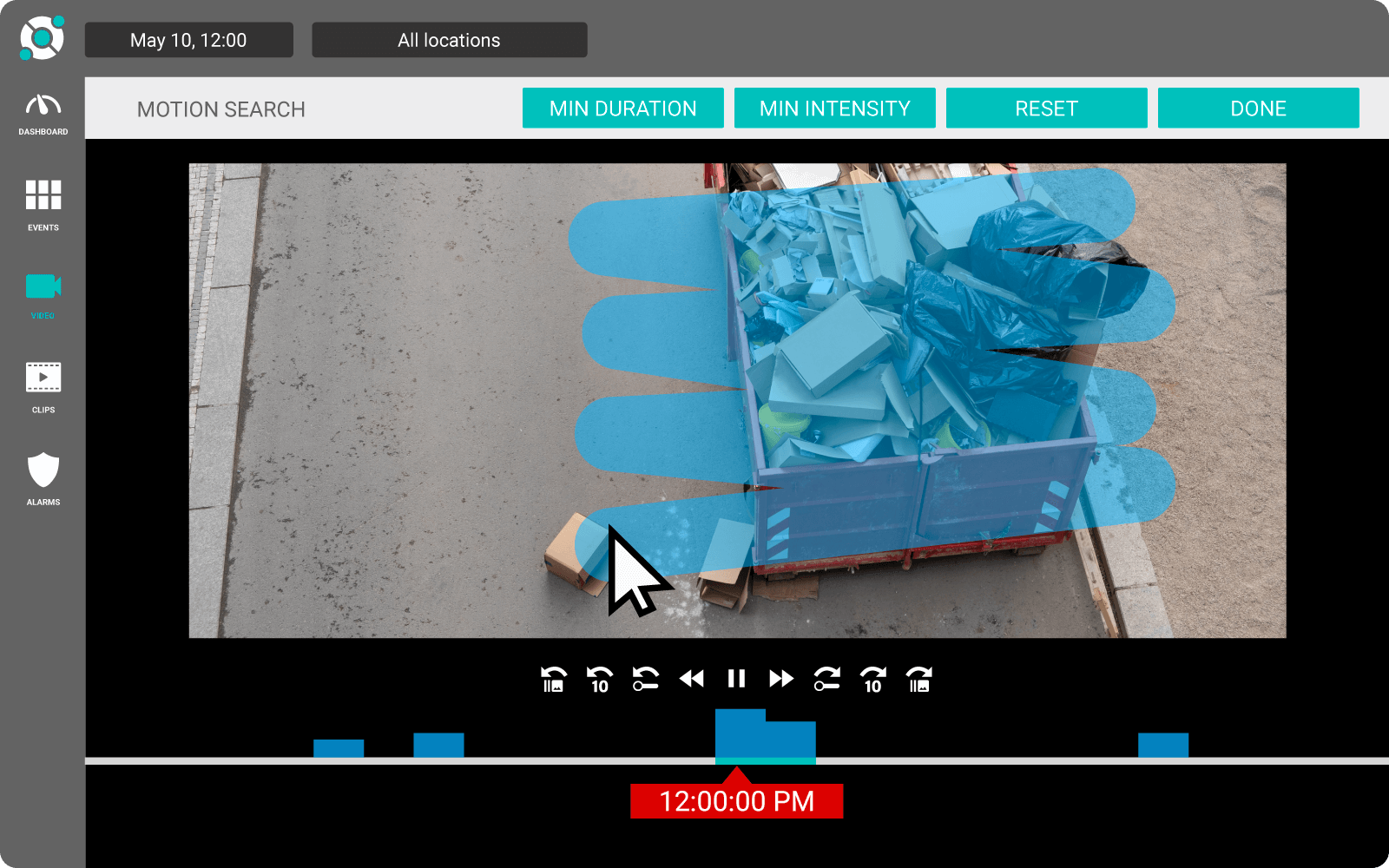
Advanced video search
How AI-powered security systems solve cross-departmental challenges
AI-powered video isn’t just a tool for security teams, it’s a cross-functional solution that brings clarity and intelligence to many areas of your business. From loss prevention to operations to IT, every team benefits when video becomes smarter, searchable, and tied to business data.
By removing silos between physical security and business analytics, AI helps teams collaborate more effectively and respond faster to challenges. This convergence is especially valuable for organizations with multiple locations or limited resources, where visibility gaps can lead to inefficiencies, compliance risks, and financial loss.
Let’s take a closer look at how AI-powered security cameras deliver measurable value across departments:
Loss prevention and asset protection
- Reduce shrink from internal and external theft
- Proactively detect suspicious behavior before incidents occur
- Investigate faster, prove incidents with context-rich video and data
Operations and store management
- Spot workflow bottlenecks and customer service gaps
- Use heatmaps to understand dwell time and traffic patterns
- Monitor compliance with health and safety protocols
- Set hourly spot checks to ensure shelves are sufficiently stocked
Security and IT
- Centralize visibility across multi-site operations
- Scale video access and alerting with role-based permissions
- Meet data privacy and compliance standards (GDPR, CCPA, etc.)
The benefits of software-based AI security
Let’s be clear: the power of an AI security camera is in the software, not the lens.
Upgrading your entire fleet of cameras to get “AI” is expensive and locks you into hardware refresh cycles that can’t keep pace with AI innovation. Instead, companies such as Solink that leverage AI on the software side enable your business to:
- Keep your current investment in place
- Activate AI capabilities instantly through the cloud
- Benefit from continuous updates and new features over time
This model also future-proofs your business. As AI evolves, so does your system, without ever having to touch your camera hardware.
When looking for an AI-powered security camera solution, consider these key features that will dramatically enhance the ROI you get from your system:
| Must-have features | Why it matters |
| Works with existing cameras | Avoids costly hardware replacement. |
| Cloud-based platform | Enables real-time access and reduces IT overhead. |
| POS/data integration | Adds operational insight to your security solution. |
| Real-time alerts | Proactive response, not reactive investigation. |
| Searchable footage | Speeds up investigations and compliance reviews. |
| Role-based access control | Protects data and simplifies user permissions. |
| Proven compliance posture | Supports GDPR, CCPA and other industry regulations. |
A quick glance at AI security camera hardware and how it compares to the software option
Setup:
AI cameras come with built-in processors, so they can analyze footage right on the device. That means faster, local decision-making without needing a constant cloud connection. Software-based AI, like Solink, works with the system you already have – no need to replace your cameras or overhaul your setup.
Cost:
AI hardware often requires a bigger upfront investment, especially when replacing multiple cameras. But for focused use cases – like entryway monitoring or parking lot access – it can be a solid long-term option. Software-based AI is more budget-friendly across larger systems, using what you already own.
Scalability:
AI hardware works well in fixed environments, but scaling often means buying more cameras. With software, you can scale fast, adding locations, data sources, or users in minutes, not months.
Updates:
Hardware is static. Once installed, it rarely improves. Software platforms update automatically, giving you access to new features, faster processing, and smarter alerts without lifting a finger.
Integrations:
Most AI cameras are built for security, not business intelligence. They don’t connect easily to POS, access control, or inventory systems. Software-based AI bridges that gap, combining video with business data to give you context you can act on.
Video analysis:
Hardware does a great job handling basic detection at the edge – motion, people, vehicles – without sending everything to the cloud. But it’s limited to what’s built into each device. Software centralizes analysis, allowing smarter detection and pattern recognition across all locations.
Real-time alerts:
Camera-based alerts are fast but often generic. Software-based alerts are tailored—they combine video and business data to flag suspicious behavior that actually matters.
Searchability:
With hardware, footage is usually stored locally, which can limit search and access. Software platforms store footage in the cloud, making it easy to search by keyword, transaction, time, or behavior across your entire organization.
Bottom line:
AI hardware is great for specific, high-priority zones that need fast local detection. But if your goal is visibility across your entire business, with smarter alerts, faster searches, and better data integration, AI software is the more scalable and cost-effective path.