
How Exterior Lighting, Access Control & Surveillance Work Together to Reduce Commercial Property Risk
A complete commercial security strategy does not rely on one camera, one lock, or one light. It combines visibility, controlled entry, surveillance, and supporting infrastructure around the way the property actually operates.
Request a Commercial Security AssessmentSecurity Problems Rarely Come From Just One Weak Point
A commercial property can have excellent cameras but poor nighttime visibility. It may have modern exterior lighting but unrestricted entrances. It may have electronic access control while critical doors remain outside camera coverage.
These gaps matter because commercial physical security works best when visibility, controlled access, surveillance, and infrastructure support one another.
Integrated security is not about installing more equipment. It is about putting the right technologies in the right places and allowing each layer to strengthen the others.
The Systems That Strengthen Commercial Property Security
Exterior Lighting
Proper illumination improves visibility around parking areas, entrances, loading zones, walkways, and building perimeters.
Access Control
Electronic access systems help businesses manage who can enter specific doors and protected areas.
Video Surveillance
Commercial cameras provide visual coverage around important entrances, assets, parking areas, and operational zones.
Better Lighting Reduces Visibility Gaps
Exterior lighting should be treated as part of the property's security environment instead of simply an architectural feature.
Properly illuminated exterior areas make it easier for employees, visitors, property managers, and surveillance systems to see what is happening after dark.
- Parking lots
- Walkways
- Main entrances
- Employee entrances
- Loading docks
- Rear service areas
- Property perimeters

Control Who Can Enter Critical Areas
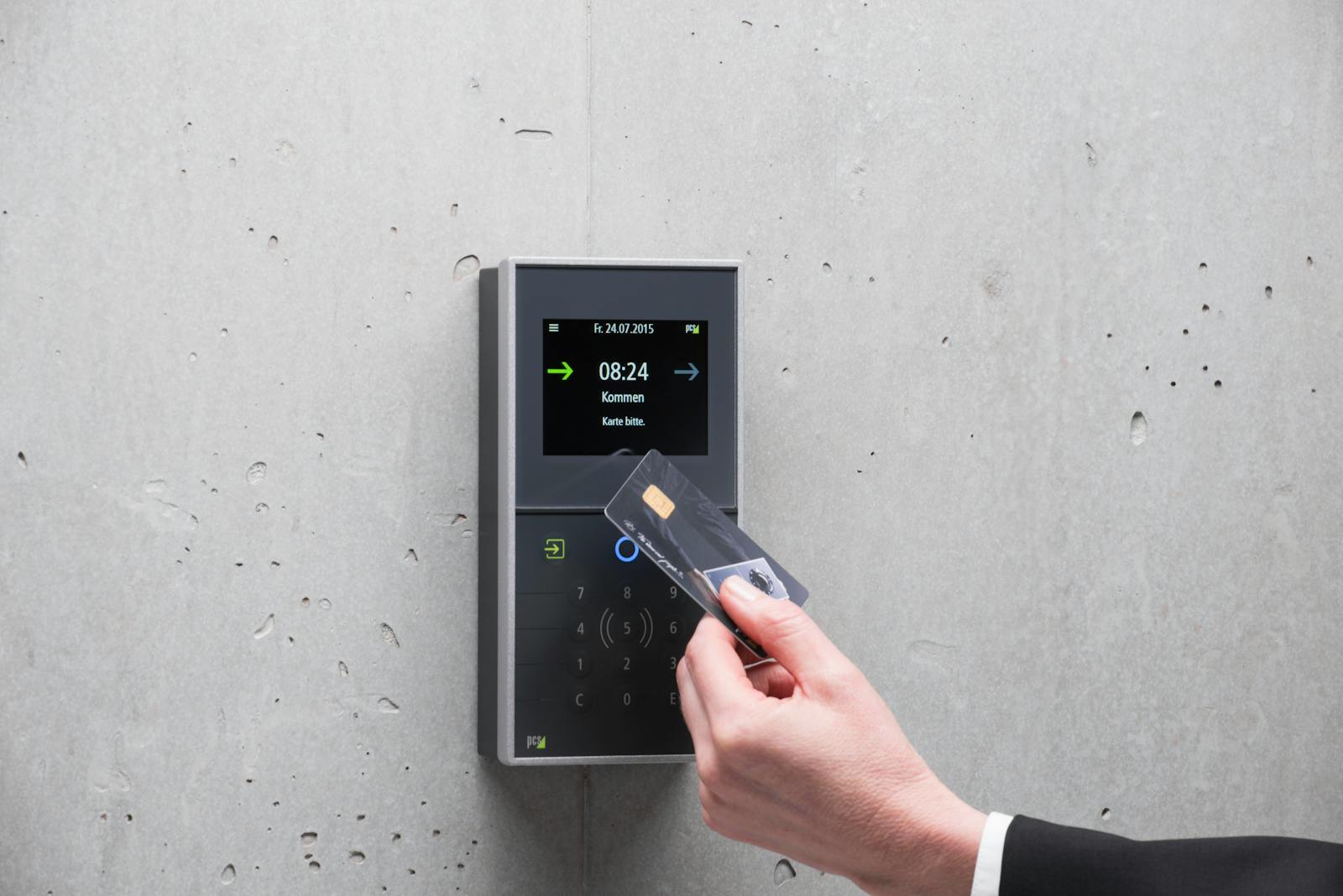
Traditional keys provide entry. Modern access-control systems provide businesses with a more manageable method of administering entry across doors and restricted areas.
Depending on the installed system, businesses may use:
- Card credentials
- Key fobs
- Mobile credentials
- Electronic door hardware
- Multi-door management
- Visitor entry systems
Camera Placement Matters More Than Camera Count
Adding additional cameras does not automatically eliminate security gaps.
Camera coverage should be designed around the actual movement of employees, visitors, vehicles, inventory, and assets.
- Main entrances
- Secondary entrances
- Employee doors
- Parking areas
- Loading docks
- Storage areas
- Building perimeters

How These Systems Strengthen One Another
Lighting + Surveillance
Better exterior illumination can improve nighttime camera visibility around critical property areas.
Access Control + Cameras
Camera coverage around controlled entrances can provide additional visibility into entry activity.
Lighting + Access Points
Well-lit entrances improve visibility for employees, visitors, property managers, and security technology.
Security Technology Depends on the Infrastructure Behind It
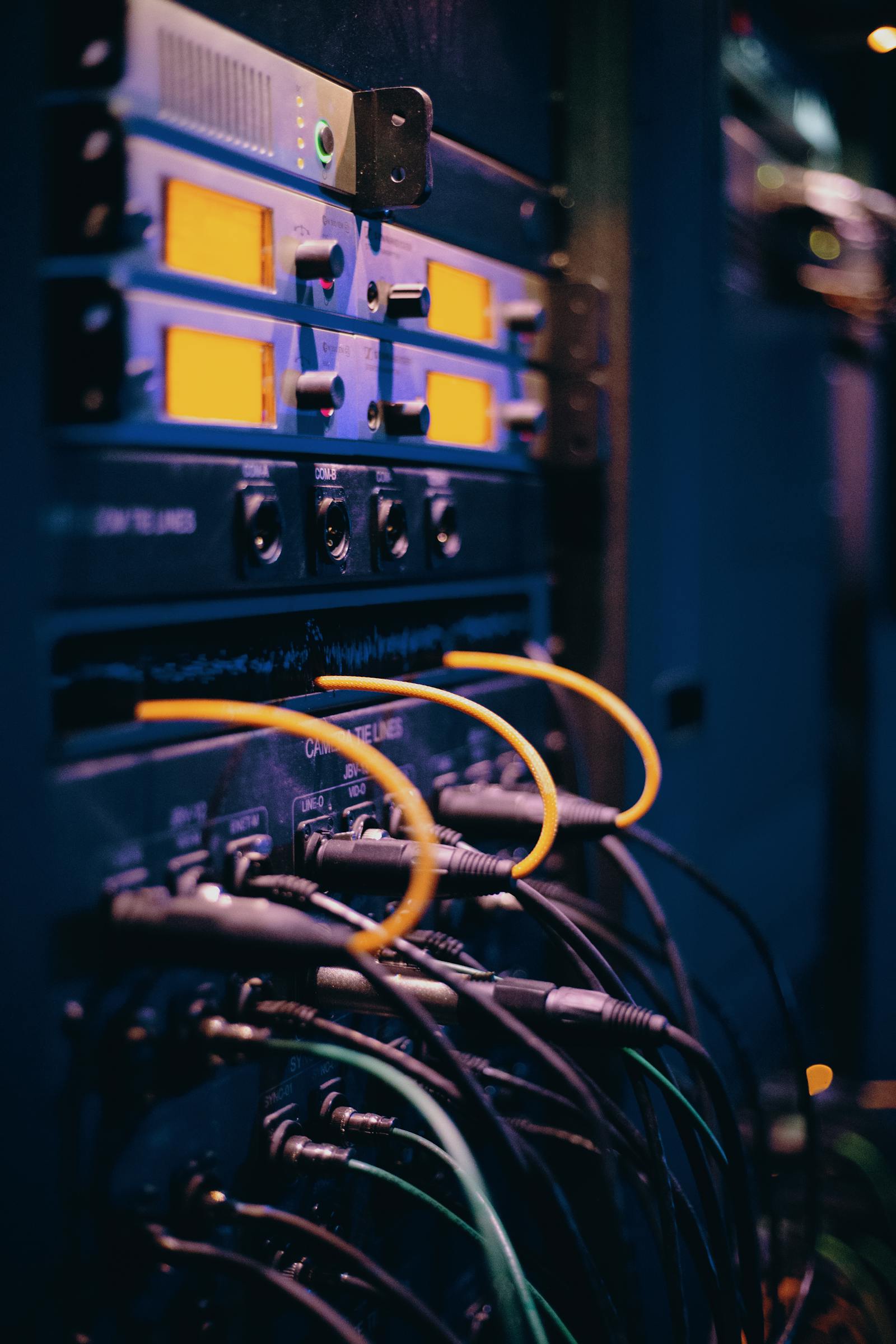
Many modern surveillance, access-control, intercom, and connected building systems rely on commercial network infrastructure.
Proper planning should consider:
- Structured cabling
- Network racks
- Patch panels
- Device connectivity
- Cable organization
- Future capacity
- System scalability
Properties That Benefit From Integrated Security
- Warehouses and distribution centers
- Office buildings
- Multifamily properties
- Automotive dealerships
- Retail and shopping centers
- Medical offices and professional facilities
- Industrial properties
- Churches and houses of worship
Signs Your Commercial Property May Have Security Gaps
- Dark parking areas
- Poorly illuminated entrances
- Important doors without camera coverage
- Physical keys are difficult to manage
- Loading areas have limited visibility
- Existing cameras provide poor image quality
- Multiple disconnected security systems
- The business has expanded without redesigning security
Commercial Property Security Planning in Atlanta
Atlanta's commercial properties range from office buildings and warehouses to dealerships, retail centers, multifamily communities, industrial facilities, and growing businesses.
Because every property operates differently, security should be designed around the facility itself rather than a predetermined equipment package.
The assessment should consider entrances, lighting conditions, camera visibility, network infrastructure, employee movement, vehicle traffic, restricted areas, and future expansion.
Commercial Property Security FAQs
Does exterior lighting improve commercial security?
Exterior lighting improves visibility around entrances, parking areas, loading zones, walkways, and building perimeters and can support better nighttime surveillance coverage.
Why should access control and surveillance work together?
Access control manages entry while surveillance provides visual coverage around protected entrances and other important areas.
What areas should commercial security cameras cover?
Typical areas include entrances, parking lots, employee access points, loading docks, storage areas, restricted spaces, and building perimeters.
Does Mounted Up install fire alarm systems?
No. Mounted Up focuses on commercial surveillance, access control, exterior lighting, structured cabling, networking, audio/video, and integrated technology infrastructure.
Build a Safer, Smarter Commercial Property
Mounted Up helps Atlanta businesses evaluate surveillance, controlled access, exterior lighting, networking, and supporting infrastructure as part of a complete commercial security strategy.
Surveillance • Access Control • Exterior Lighting • Structured Cabling • Networking
Request a Commercial Security Assessment